
Why Are Muslims Defeated by Western Powers
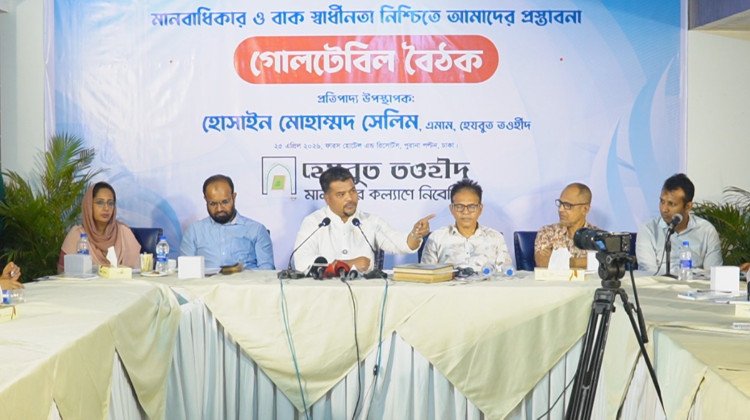
-Hossain Mohammad Salim
At present, there are approximately 2.4 billion Muslims in the world—about 31–32% of the global population. Geographically, Muslims have 57 states, covering roughly one-fifth (about 20%) of the world’s land. From Casablanca in North-West Africa to Indonesia, vast territories are inhabited by Muslims. Around 140 major seaports are under Muslim countries, through which about 40–45% of global trade passes. Nearly 70% of the world’s oil resources lie beneath Muslim lands.
There are millions of mosques—about 500,000 in Bangladesh alone. There are countless shrines, scholars, muftis, doctors, engineers, and millions in the armed forces and police. In short, Muslims possess immense natural resources and human capital.
On the other hand, Israel is a small country of only 22,072 square kilometers, with a Jewish population of around 8–9 million. Globally, the total Jewish population does not exceed 20 million.
Yet, in science, technology, advanced weapons, and military power—such as missiles and ballistic systems—Muslims are unable to compete.
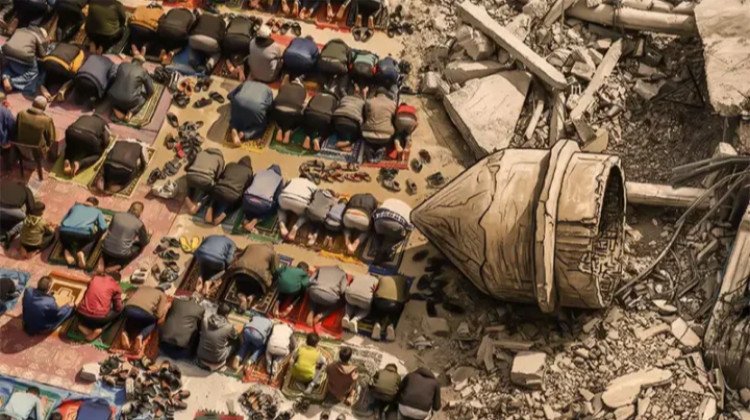
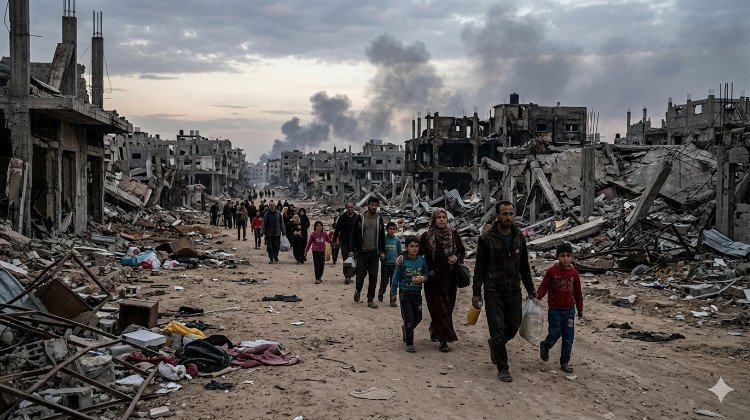
For example, in conflicts involving Iran and the United States, casualty ratios are extremely uneven. Similarly, in conflicts involving Israel, Muslim casualties are often far higher. To understand this condition, we must reflect calmly.
According to Hezbut Tawheed, the primary reason for this situation is the loss of unity among Muslims. Even a smaller but united force can defeat a larger divided one—this is a natural law. The Qur'an also emphasizes unity. In Surah Al-Anfal (8:46), Allah warns that disputes lead to weakness and loss of strength. Similarly, Surah An-Nisa (4:59) advises referring disagreements back to Allah and His Messenger and stresses obedience to leadership.
However, Muslims have fragmented into countless sects—Sunni, Shia, and many others. Conflicts such as the Iran-Iraq War, Gulf War, and civil wars in Syria and Lebanon have seen Muslims fighting each other. Today, sectarian divisions continue to fuel instability across the Middle East.
Even in Bangladesh, religious political groups fail to unite. During elections, divisions among Islamic parties split votes, preventing collective success. Differences among scholars, groups, and movements further deepen disunity.
The text also expresses concern that internal conflicts among Muslim groups sometimes lead to violence against each other, rather than cooperation.
To survive, Muslims must unite under the principle of La ilaha illallah—that no authority is accepted except Allah’s. Minor issues—such as differences in practice—should not become barriers to unity.
The argument is made that internal division, external pressure, and lack of coordinated direction have weakened Muslim societies.
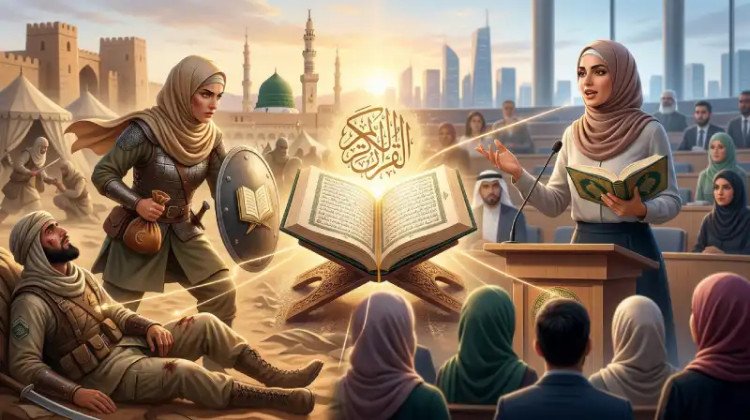
It further stresses that to understand Islam properly, one must understand its purpose. The Qur’an calls for striving to remove oppression and establish justice (e.g., Surah Al-Anfal 8:39 and Surah An-Nisa 4:75). Historically, early Muslims made sacrifices to establish their community and protect the oppressed.
The text criticizes both spiritual isolation and political fragmentation, arguing that neither alone can address broader societal challenges. It also critiques materialism and complacency within leadership structures.
It emphasizes that unity should be followed by establishing justice and ethical governance based on Islamic principles. It calls for educating people about Tawheed, building collective awareness, and organizing society toward shared goals.
The proposed approach includes:
- Educating people about Tawheed and aligning belief with social systems
- Building unity and discipline
- Following a structured program inspired by early Islamic teachings
- Working collectively for reform and justice
The text also highlights the importance of overcoming fear and inferiority, encouraging confidence rooted in faith and collective effort.
It concludes by urging people to listen, learn, and critically evaluate ideas, rather than being influenced by misinformation. It calls for unity, awareness, and collective action to improve conditions and ensure dignity and stability for Muslim societies.
Images Related to this Post





Leave a Comment